Non latex condoms for sensitive skin with lubrication
With the increasing awareness of sexual health and family planning, the global condom market size is growing and raising accordingly, therefore the condoms have become current most important and effective contraceptive method. From the texture, function or materials, there is a variety type of condom on the market. However, when it comes to allergy contraindication, non latex condom is first recommendation for irritation issues. Here let us discuss several problem to gain a better understanding of non-latex condoms.
Are Non-latex condoms better for sensitive skin?
Yes, Latex contains natural rubber proteins, which can trigger allergic reactions such as itching, redness or swelling. Non-latex condom don’t contain there proteins, making them are generally applicable for sensitive skin, normally no additional uncomfortable irritation or allergic reaction, especially suitable for those with latex allergy or sensitivity.
What is a non-latex condom?
Non-latex condoms are refer to those condom dose not contain the natural protein component found in rubber, made from synthetic materials such as polyurethane or polyisoprene, specially designed for people who are allergic or sensitive to latex.
What are polyisoprene condoms?
Polyisoprene condoms is another type of non-latex condom made from synthetic rubber, hypoallergenic without protein ingredient, offering a soft and flexible feel, it looks very similar to latex from the appearance, while is more elastic and finer. Overall, it looks more natural and has no “plastic feel”.
| Pros: |
Cons: |
|
More softer, feels very similar to latex
No latex proteins, no latex allergies problems. Great for people with latex sensitivity
More natural and elastic, less “plastic “ feel.
|
Not compatible with oil-based lubricants
Usually a bit more expensive
|
What are Polyurethane Condoms?
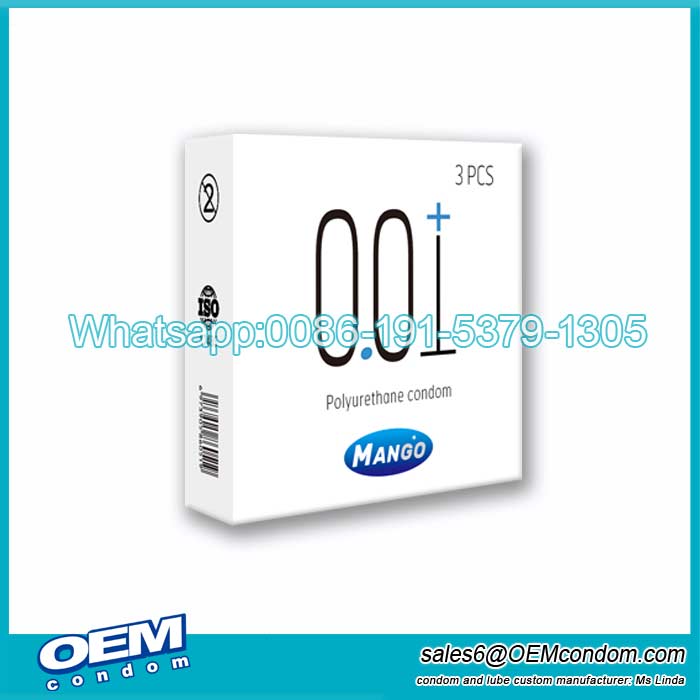
Polyurethane condom is a new type of barrier from pregnancy and SITs that is free of latex, made from thin, durable plastic material, it is mainly targeted at consumers who are allergic to natural rubber or those seeking higher sensitivity and natural thermal conductivity , making it an ideal alternative as a trustworthy contraceptive method.
| Pros: |
Cons: |
|
Hypoallergenic, casein free, has no latex allergy issues.
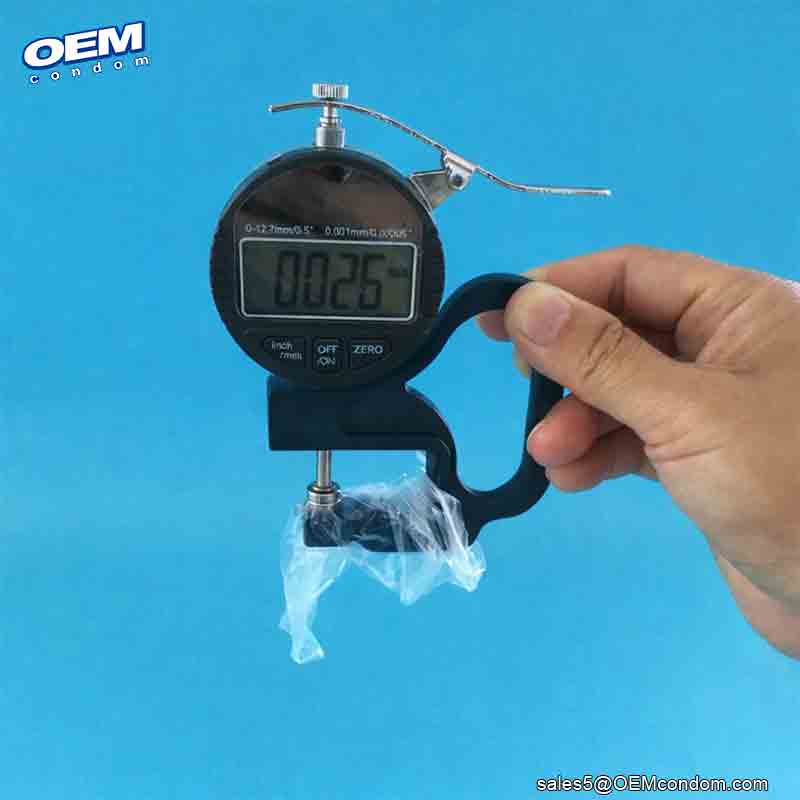
Ultra thin and soft, fit closely, natural feel with more close contact, more realistic touch feel
High transparent, more visible, more natural feel with visual impact.
Odorless without rubbery smell, leaving no influence on mood caused by smell.
Good heat conductivity, enabling to feel the body temperature and contact real feel intuitively
High durability, less likely to degrade when exposed to sunlight or humidity, having a relatively longer service life.
|
Less stretchy than latex , may feel looser
Slightly higher chance of slipping if not fitted welling
|
A reliable supplier is super vital to find non-latex condom for sensitive skin, not to mention creating a new brand or increasing product category. Non-latex condom is undoubtedly a better choice for expanding product categories, enhancing brand positioning, and targeting the high-end market. High quality materials such as polyurethane condoms highly likely to become another mainstream product in the condom market. For inquiries about pricing and customization services for own brand, welcome to email us.